
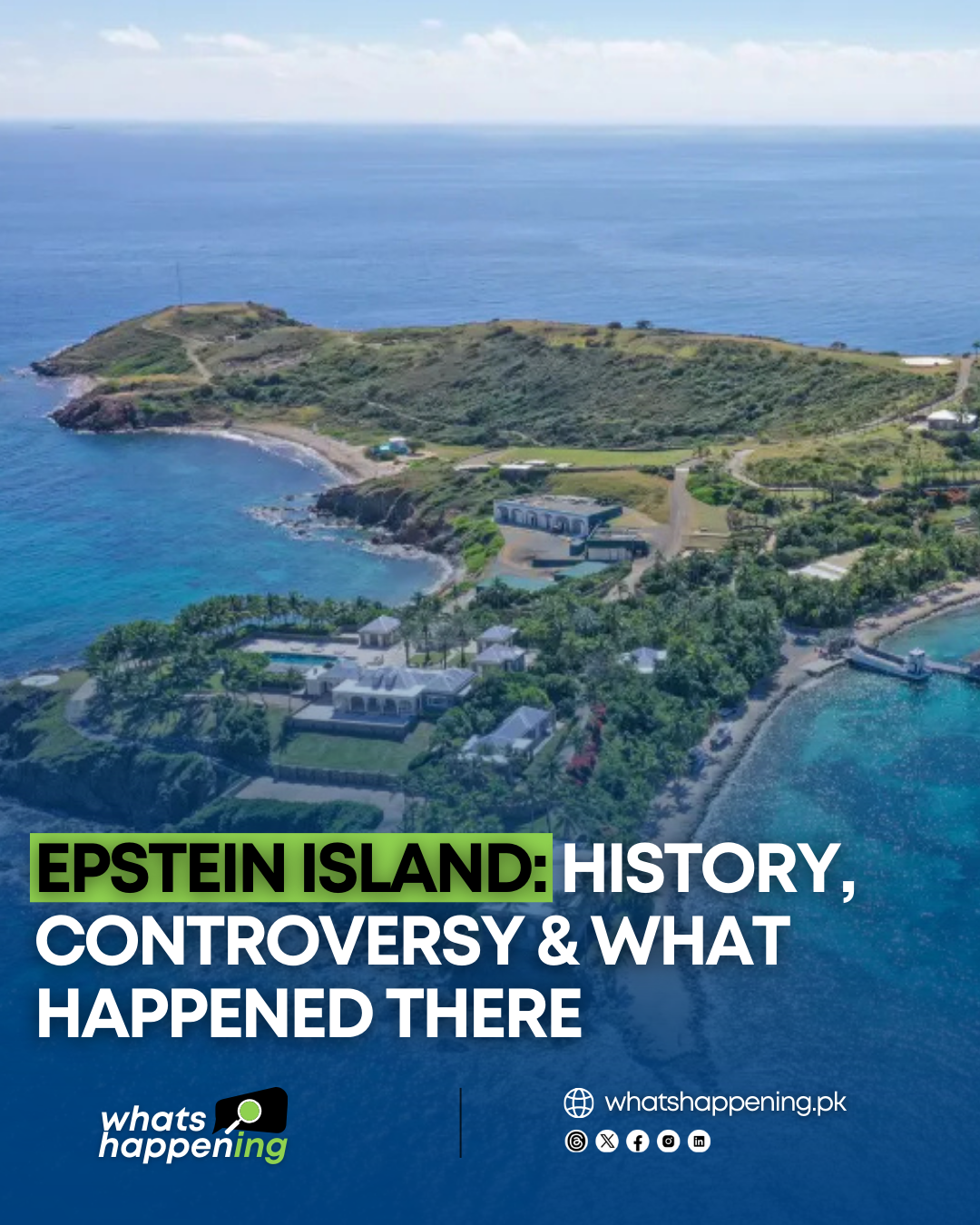
Epstein Island island case became widely known due to its connection with the late financier Jeffrey Epstein. One of the most controversial criminal investigations in modern history. Officially known as Little Saint James. The island is located in the U.S. Virgin Islands and has been the focus of global media attention, legal scrutiny, and public debate.
This article explains the history of Epstein Island, its significance and the wider implications of the case.
Where Is Epstein Island Located?
Epstein Island is a private island near St. Thomas in the Caribbean. It was purchased by Jeffrey Epstein in 1998 and developed into a luxury retreat featuring villas, private docks, and extensive security systems.
Due to its remote location and restricted access, the island became central to investigations surrounding Epstein’s activities.
Investigations and Legal Developments?
After Epstein’s arrest in 2019, authorities examined his properties, including the island. Evidence collected there contributed to ongoing legal cases and civil lawsuits.
Following Epstein’s death in custody, investigations continued into his associates and network. Legal proceedings and document releases have continued to generate media coverage and public interest worldwide.
Current Status of the Island:
Since Epstein’s death, the island has changed ownership and is no longer tied to his estate. However, it remains a symbol tied to the broader investigation and public memory of the case.
Its future development plans and usage are still subjects of interest and debate.
Conclusion:
Epstein Island represents more than just a private Caribbean. It is a reminder of the importance of justice, transparency, and protection of vulnerable individuals.
Understanding its history helps shed light on one of the most significant criminal scandals of recent decades and why it continues to attract global attention.
Related topic you must read: https://indepnews.org/en/global-power-elite-patterns-of-influence/